Why Seoul Is Turning Purple for BTS's Biggest Night in Years
All seven members reunite at Gwanghwamun Plaza on March 21 for their first full-group comeback concert since completing military service
 By Jang Hojin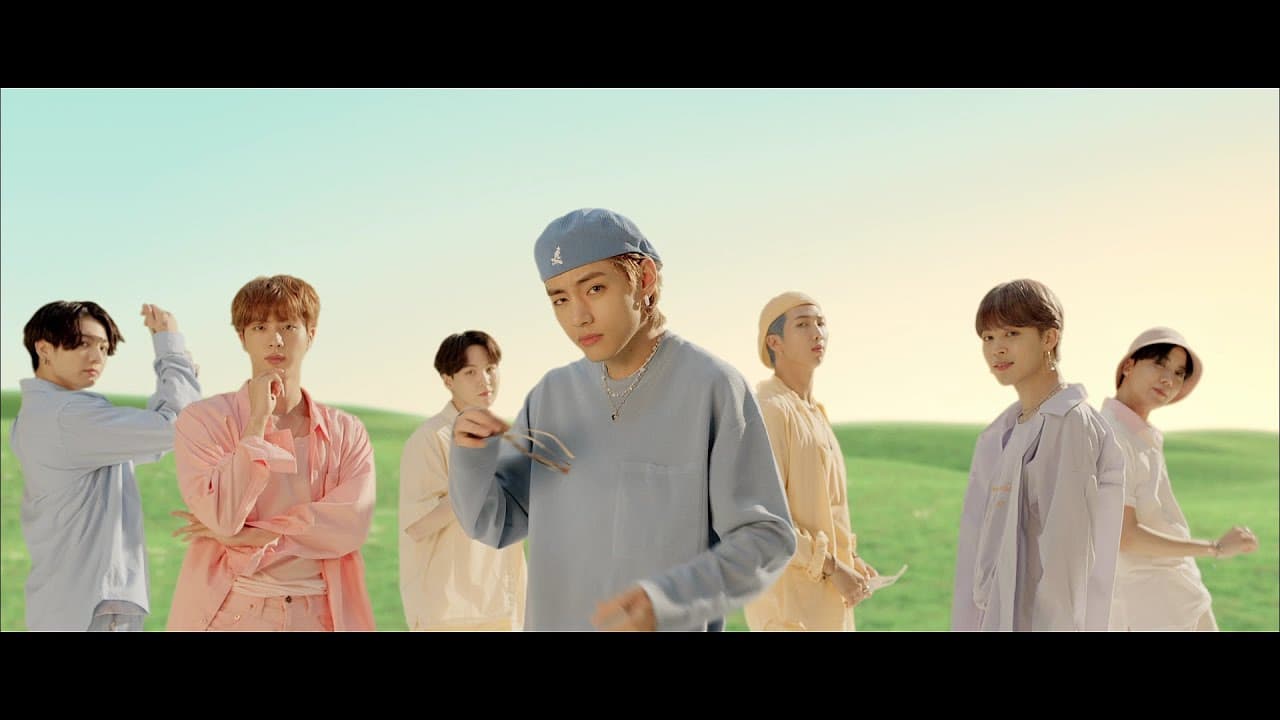
Seoul is about to become the center of the global music universe. On March 21, 2026, all seven members of BTS will stand on the same stage for the first time since their military service chapter closed — and the city itself is preparing to celebrate in ways that go far beyond a typical concert event. From landmark buildings bathed in purple light to streaming platforms scrambling for a piece of the action, the scale of what is being called 2026's biggest music event reveals just how deeply BTS has woven itself into the cultural fabric of both South Korea and the world.
The concert, officially titled BTS Comeback Live: ARIRANG, will take place at the iconic Gwanghwamun Plaza in central Seoul. It marks the group's fifth full-length album comeback stage, and it carries a weight that no previous BTS event quite matches. For the first time in the group's history, all seven members — RM, Jin, Suga, J-Hope, Jimin, V, and Jungkook — will perform together as fully discharged military veterans. The phrase circulating among Korean media and fans alike is telling: "jeonwon gunpildol" — meaning every single member has completed their mandatory service.
A City Dressed in Purple: Seoul's Unprecedented Welcome
What sets this comeback apart from anything BTS has done before is the sheer scope of the city's involvement. Seoul Metropolitan Government has launched a campaign called "The City Seoul" specifically built around the concert. Beginning the evening before the show, on March 20, fifteen of Seoul's most recognizable landmarks will be illuminated with special welcome lighting from 7:30 to 9:30 PM.
The list of locations reads like a greatest-hits tour of the capital's most photogenic spots. Sebitseom — the futuristic floating islands on the Han River — will glow purple. Cheonggyecheon, the restored stream running through the heart of downtown, will be transformed with colored lights. Even Sungnyemun, the historic South Gate, and Namsan Tower will feature custom media facade displays designed for the occasion.
The lighting spectacle will continue on March 21 itself, ensuring that fans arriving from around the world will find a city that feels as if it has been purpose-built for their pilgrimage. This is not a subtle corporate sponsorship gesture — it is a municipality fully embracing a pop group's homecoming as a civic event of genuine significance.
Beyond the lights, Dongdaemun Design Plaza (DDP), one of Seoul's most architecturally striking venues, will host immersive BTS experience content. And the city's broader Seoul Spring Festival, running from April 10 to May 5, is being positioned as a continuation of the energy the comeback concert is expected to generate, tying BTS's return to a season-long celebration of culture and tourism.
The Corporate Scramble: From Streaming Wars to Fashion Tie-Ins
If Seoul's government has gone all-in, the private sector is competing even more fiercely. The concert will be livestreamed globally on Netflix under the title BTS Comeback Live: ARIRANG, with the main promotional poster already released and generating massive online buzz. Netflix is also preparing a documentary called "BTS: The Return," directed by Bao Nguyen, which will chronicle the group's military-era journey and their path back to the stage.
Tving, the Korean OTT platform, has been making aggressive moves of its own. Having already secured KBO baseball and WBC broadcast rights, the platform is using the BTS concert as a flagship piece of live content to draw subscribers into its ecosystem. The strategy reflects a broader trend in Korean entertainment — live music events are becoming the new battleground for streaming platform supremacy.
The corporate enthusiasm extends beyond digital platforms. HYBE, BTS's parent company, has partnered with LF's fashion brand Hazzys to transform the "Space H Seoul" retail location into a purple-themed experience space. IT companies, telecom providers, and map applications are all rolling out BTS-themed features and promotions timed to the concert, each hoping to capture a slice of the enormous attention the event will command.
Jungkook's Viral Moment and the Return of Peak BTS Energy
In the days leading up to the official comeback, social media has already been set ablaze by a clip of Jungkook's dance performance that has gone viral across platforms. The footage, which showcases the kind of explosive physicality and precision that made Jungkook one of K-pop's most celebrated performers, has served as a powerful signal to fans worldwide: BTS is not returning at half-speed. They are coming back hungry.
The viral moment has reignited conversations about what a fully reunited BTS can deliver on stage. During the years of staggered military enlistments, each member pursued solo endeavors — Jin's solo albums, Jimin's chart-topping releases, Suga's Agust D world tour, J-Hope's festival headlining sets, V's solo music and Celine ambassadorship, RM's solo albums, and Jungkook's global solo hits. Each member returned from service having already proven they could command audiences alone. The question now animating the global fan community is what happens when all of that individual growth is channeled back into the collective.
The answer, if early rehearsal glimpses and social media teasers are any indication, is that the March 21 concert could be the most emotionally charged performance in BTS's storied career. These are not the same young men who last performed together as a complete group. They are seven artists who endured separation, pursued their own paths, and are now choosing to stand together again — and that narrative carries a resonance that transcends the music itself.
Global Anticipation: Billions Expected to Watch
The numbers being projected for this event are staggering. Industry analysts expect billions of cumulative viewers across all platforms, combining the Netflix livestream, social media engagement, and broadcast coverage in multiple countries. Global ARMYs — BTS's famously devoted fanbase — are expected to descend on Seoul in massive numbers, with hotels in the Gwanghwamun and Jongno areas reporting near-complete bookings weeks in advance.
The economic impact extends well beyond ticket sales. Seoul's tourism board is anticipating a measurable surge in international arrivals timed to the concert and the surrounding Spring Festival period. Restaurants, transportation services, and retail businesses in central Seoul are all preparing for what could be one of the highest-traffic weekends the city has experienced since the pandemic years.
For the broader K-pop industry, the BTS comeback serves as a powerful reminder of the genre's ceiling. While fourth and fifth-generation groups have thrived during BTS's hiatus, the sheer gravitational pull of a full BTS reunion demonstrates that no act in the current landscape can generate this kind of multi-sector, city-wide, globally televised phenomenon. The comeback is not just a concert — it is a cultural event that will be studied and referenced for years.
What Comes Next: The Fifth Album and a New Chapter
March 21 is not the end of the story — it is the beginning of a new one. The Gwanghwamun Plaza concert is explicitly tied to BTS's fifth full-length studio album, meaning that new music is at the heart of this return. While full tracklist details have not yet been revealed, the concert's title — ARIRANG — suggests a deliberate connection to Korean cultural identity, hinting at an album that may explore themes of heritage, homecoming, and what it means to return.
The Netflix documentary "BTS: The Return" will provide additional context for the group's mindset heading into this chapter. Director Bao Nguyen, known for his thoughtful approach to documentary storytelling, is expected to deliver a film that goes beyond surface-level fan service to explore the genuine emotional complexity of seven individuals navigating fame, duty, separation, and reunion.
For the millions of fans who waited through enlistment announcements, solo releases, and countdown calendars, March 21, 2026 represents something that cannot be manufactured or replicated. It is the moment when patience becomes reward, when hope becomes reality, and when seven voices that changed the course of popular music will once again sing together under the same sky. Seoul is turning purple because the occasion demands nothing less.
How do you feel about this article?
저작권자 © KEnterHub 무단전재 및 재배포, AI학습 및 활용 금지
Entertainment Journalist · KEnterHub
Entertainment journalist specializing in K-Pop, K-Drama, and Korean celebrity news. Covers artist comebacks, drama premieres, award shows, and fan culture with in-depth reporting and analysis.
Comments
Please log in to comment