What J-Hope Said to Bang PD That Stunned Every BTS Fan
Inside BTS: THE RETURN, Netflix's raw and revealing look at the group's comeback
 By Park Chulwon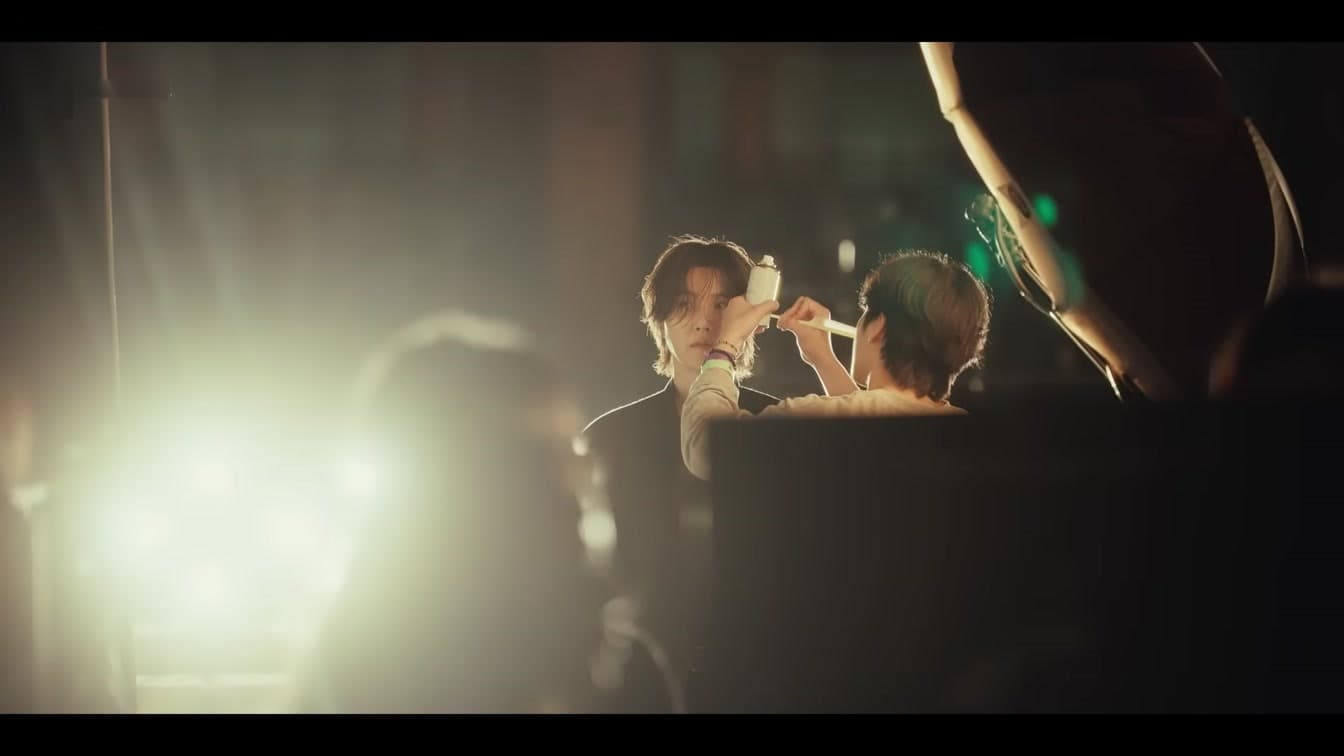
When J-Hope looked across the table at Bang Si-hyuk — the billionaire founder of HYBE and the man who signed BTS more than a decade ago — and said, simply, that it wasn't right, the room went quiet. The moment, captured in Netflix's new documentary BTS: THE RETURN, has since become one of the most talked-about clips in the K-pop world. It reveals something fans have long suspected but rarely seen confirmed on camera: inside BTS's creative process, no one, not even the chairman, gets the final word unchallenged.
Released on Netflix on March 27, 2026, the 93-minute documentary arrives one week after BTS dropped their fifth studio album ARIRANG, which sold over 4 million copies in its first three days and topped iTunes charts in 88 countries. Directed by Bao Nguyen — the filmmaker behind The Greatest Night in Pop — the film chronicles BTS's creative reunion in Los Angeles, their first gathering as a complete group after completing South Korea's mandatory military service. What emerges is an intimate, often startling portrait of seven artists wrestling with legacy, pressure, and the weight of their own mythology.
The Argument That Stopped Everyone
The scene centers on a single creative decision: how long should the traditional Korean folk song 'Arirang' be sampled in the album's opening track, 'Body to Body.' Bang Si-hyuk, whose net worth has been estimated at $1.3 billion and who has known the BTS members for over 12 years, argued for a longer, more prominent sample. His case was emotional as much as strategic — he painted a picture of sold-out stadiums around the world, audiences singing 'Arirang' together, and BTS embracing the musical motif as iconic artists who appear once in decades.
J-Hope disagreed. He had praised the original version of the track, where the folk recording was subtly woven into the mix, creating texture without dominating the sound. A longer sample, he said, would be overkill. He said no — respectfully, directly, and without hesitation.
He was not alone. V worried the sample was still too direct and might distract from the rest of the song when layered with other elements. Jimin put it even more plainly, saying the longer it went on, the more uncomfortable it made him feel. Suga proposed a middle-ground solution — keep the shorter version for the album, but save the extended arrangement for live performances, where the shared communal energy Bang PD had envisioned might actually land the way he intended.
What makes the scene remarkable is not the disagreement itself but the comfort with which it happens. These are men who built their careers under Bang Si-hyuk's guidance, who owe him an enormous debt of trust and history. And yet they push back — not with defiance, but with the confidence of artists who have earned the right to be heard.
A Relationship Unlike Any Other in the Industry
Fans who watched the moment closely noticed something else. Bang Si-hyuk addressed the BTS members using the most formal register of the Korean language, the polite speech typically reserved for elders or those in positions of higher status, while the members spoke to him in a casual, familiar tone. In Korean social dynamics, where hierarchy is encoded into the language itself, this reversal is genuinely unusual — a billionaire chairman communicating with humility toward the artists he leads.
The fan reaction online captured the significance immediately. One widely shared comment read: 'j-hope looking at a $1.3B Chairman in the eye and saying that is not it — respectfully.' Another noted: 'He watched them from day one. He's not just their boss.' A third offered a simpler read: 'That man doesn't strike fear in any of the BTS members' hearts. They're comfortable enough to speak freely.' The consensus was less surprise at J-Hope's pushback and more validation of what fans had always believed — that the bond between BTS and Bang Si-hyuk has never been a conventional industry relationship.
Director Bao Nguyen deliberately kept the film's setup minimal. Handheld cameras were as unobtrusive as possible, with fixed tripods placed in studio corners and small rooms creating unexpected close-ups. He wanted to capture what he described as members giving far more than he expected. The result includes moments the group had never allowed audiences to see before: no makeup, unfiltered language, and creative doubt playing out in real time.
The Anxiety Behind the Comeback
The documentary does not shy away from the uncertainty that came with BTS's return. RM described their legacy as an unbearably heavy and frightening crown — not words you typically hear from an artist at the top of their field. He also called the album's eclectic mix of styles 'bibimbap with everything thrown in,' a phrase that captures both the ambition and the tension behind ARIRANG's creation.
The group chose 'SWIM,' a quiet lo-fi track, as the album's lead single — a decision that went directly against audience expectations. When they played it for close friends, the responses were lukewarm. Members genuinely worried about being perceived as having lost their edge rather than evolved. V summarized the anxiety: despite wanting genuine innovation, there was fear that after years away, the group would return with something familiar when fans were hoping for something bold. Jimin echoed it, expressing a desire to be seen as meaningfully different rather than diminished. Jin described his experience of fame as exceeding what he felt he deserved — a confession of vulnerability that feels jarring from one of the most recognized faces in music.
These are not the polished statements of a press tour. They are the unedited thoughts of artists who have been carrying an enormous weight, and who are still figuring out how to set some of it down.
Four Million Copies and a Folk Song
ARIRANG, the album the documentary chronicles, arrived on March 20, 2026. Its title is drawn from the same traditional Korean folk song at the center of the film's most memorable argument — a choice that speaks to the group's ambition to root their global reach in something distinctly and unmistakably Korean. The album's commercial success has been immediate: four million copies sold in three days, top positions on charts across Asia, North America, and Europe.
A companion piece, the BTS comeback live performance on Netflix, was released alongside the documentary, capturing the group's return to the stage after their military hiatus. Together, the two releases represent a coordinated effort to document not just what BTS sounds like in 2026 but what it feels like to be BTS — the negotiations, the doubts, the moments of genuine creative friction, and the rare, quiet clarity of knowing exactly when to say no.
Critical response to the documentary has been strong. NME called it an illuminating fly-on-the-wall look at the group's big comeback. Rolling Stone published a deep dive into the film's most revealing moments. Billboard highlighted what the documentary teaches audiences about the behind-the-scenes reality of one of music's most successful acts.
For fans who have followed BTS through every era — from early rehearsal rooms to stadium tours and Grammy nominations — the documentary offers something rare: evidence that the thing they admired about the group all along was real. The honesty. The closeness. The willingness of seven people to say, even to a billionaire chairman, exactly what they think.
How do you feel about this article?
저작권자 © KEnterHub 무단전재 및 재배포, AI학습 및 활용 금지
Entertainment Journalist · KEnterHub
Entertainment journalist focused on Korean music, film, and the global K-Wave. Reports on industry trends, celebrity profiles, and the intersection of Korean pop culture and international audiences.
Comments
Please log in to comment