The Rise of 'Kind Variety': How Bo-gum Magical Is Redefining Korean Entertainment's New Comfort Formula
Park Bo-gum's barber shop show quietly dominates buzzworthy charts — and signals a lasting shift in what Korean variety audiences want
 By Park Chulwon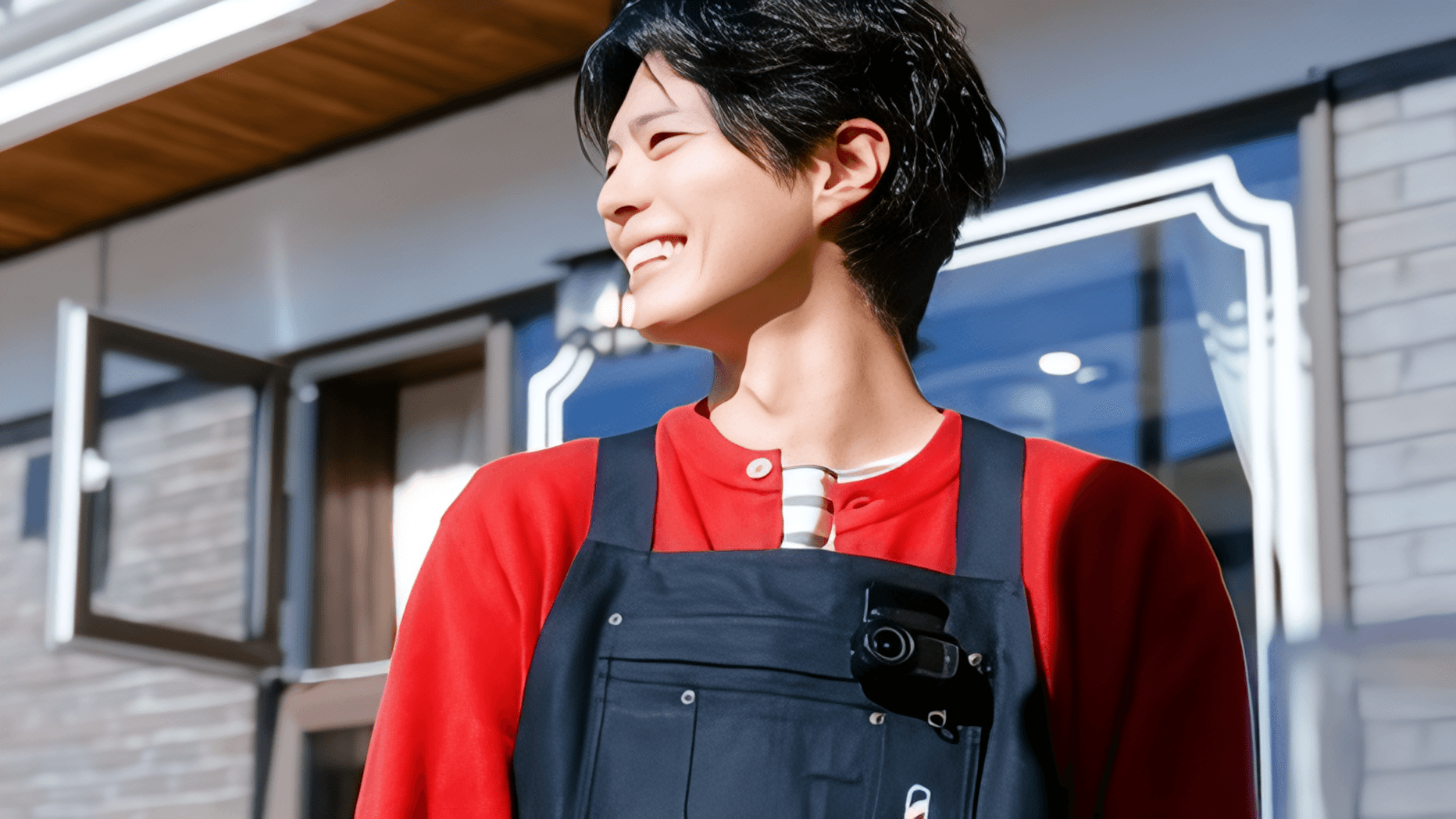
In a television landscape increasingly crowded with competition formats, celebrity dating shows, and high-concept reality hybrids, a simple program about a Korean actor learning to cut hair in a rural village has quietly become one of 2026's most-discussed variety series. Bo-gum Magical — known internationally as The Village Barber — has held a spot in the top 10 of Korea's non-drama buzzworthy rankings for five consecutive weeks, with Park Bo-gum placing among the top ten most-talked-about performers for the same stretch. More tellingly, the show ranked first in its target 20-49 demographic across all Korean broadcast channels, including terrestrial networks. What is happening here is more than the popularity of a single program. It is evidence of a structural shift in what Korean variety audiences actually want in 2026.
What Makes Bo-gum Magical Different
The premise requires no complex explanation: Park Bo-gum, who obtained a national barber's license during his mandatory military service, operates a genuine hair salon for residents of a remote rural village — one without even a convenience store. Actor Lee Sang-yi joins as a nail artist, while actor Kwak Dong-yeon handles practical tasks like preparing snacks and meals. There are no elimination rounds. No one is voted off. No contestants are competing for prizes or romantic partners. The camera simply observes what happens when real people arrive for a haircut and leave with something that looks like human connection.
That deliberate absence of manufactured drama is the show's entire strategy — and, increasingly, its competitive advantage. Korea Times entertainment reporters have noted a broader emerging trend they describe as "kind variety" (착한 예능), of which Bo-gum Magical is a leading example. Kim Tae-ri's concurrent community-service variety program occupies the same category: celebrity-led, service-oriented, emotionally gentle, and rooted in genuine skill rather than performance. The format is, in structural terms, closer to a documentary than a traditional variety show. But its emotional register — warm, patient, lightly comedic — is precisely what variety television specializes in delivering.
The Numbers Behind the Feel-Good Formula
The ratings performance of Bo-gum Magical tells a story that many in the industry did not expect. The show premiered on January 30, 2026, and by its second episode had already ranked first in its Friday time slot nationwide. What followed was a steady upward climb: the most recent broadcasts have recorded a household average of 3.8% nationwide (peak: 4.6%), with metropolitan area figures at 4.0% average and 4.8% peak. For a tvN variety program airing in a competitive Friday slot against terrestrial broadcasters, these are strong figures — but the more significant number is in the 20-49 demographic.
In the 20-49 demographic — the commercial metric that Korean broadcasters prioritize above all others — Bo-gum Magical ranked first across all channels in Korea, including the three major terrestrial networks (KBS, MBC, SBS). For a cable channel variety program to beat terrestrial broadcasting in this demographic is meaningful. It signals that the show is not drawing an older nostalgia audience; it is winning with precisely the audience that advertisers and broadcasters compete hardest for. The fact that it achieved this without a single competitive element, twist format, or manufactured conflict underlines how thoroughly the show's gentle approach has connected.
The buzzworthy data compounds the picture. Five consecutive weeks in Korea's non-drama Top 10 is a mark of sustained audience engagement rather than viral novelty. Park Bo-gum maintained a Top 10 performer ranking across the same period, an indicator that viewer attachment is personal as much as it is format-driven — audiences are following him specifically, not just the genre.
The Broader 'Kind Variety' Trend
To understand what Bo-gum Magical represents, it helps to see it not as an isolated phenomenon but as part of a recognizable movement. Korean entertainment professionals have begun using the term "kind variety" to describe a cluster of recent programs that share several characteristics: a celebrity host or cast applying a genuine, learnable skill; a setting that centers on community or service rather than competition; and a tonal register that prioritizes warmth and sincerity over comedy-through-conflict.
The timing is not coincidental. Post-pandemic Korean audiences have shown a measurable shift toward content described in fan communities as "healing" (힐링) — programming that reduces rather than amplifies stress. The success of Bo-gum Magical alongside Kim Tae-ri's concurrent community-oriented program suggests that this appetite has reached a scale that variety producers can build formats around systematically, rather than treating it as a niche preference. The fact that both shows are performing strongly with younger adult demographics — not just older viewers stereotypically associated with gentler programming — strengthens the case for "kind variety" as a genuinely mainstream trend rather than a subcultural one.
Impact and What It Means for Park Bo-gum
For Park Bo-gum personally, Bo-gum Magical represents a strategically significant return to television following his military discharge in 2022 and a period of measured re-entry into the industry. The show has reinforced his public image as a performer whose appeal is rooted in sincerity and craftsmanship — qualities that translate unusually well into the kind variety format. The social media response has been particularly notable: clips of Bo-gum interacting with village elders and carefully managing hair for elderly customers have accumulated substantial organic engagement, with content performing strongly across the platforms where younger Korean audiences concentrate.
The YouTube milestone — Bo-gum Magical reportedly surpassed 100 million video views across its clips — is the kind of cross-platform amplification that signals a show has moved beyond its linear broadcast audience into a broader digital conversation.
Future Outlook
As Bo-gum Magical continues its Friday run, the question for the Korean variety industry is whether its model can be replicated successfully or whether its specific combination of Park Bo-gum's genuine skill, the show's precise tonal calibration, and a favorable cultural moment is too particular to generalize. The honest answer is probably both: the format principles are exportable, but the execution difficulty is high.
What is not in question is that the audience for slow, warm, skill-based variety programming is real, substantial, and commercially valuable in Korea in 2026. Bo-gum Magical has made that case more convincingly than any other program this season — and in doing so, it has quietly changed the terms of what Korean variety television considers a success story.
How do you feel about this article?
저작권자 © KEnterHub 무단전재 및 재배포, AI학습 및 활용 금지
Entertainment Journalist · KEnterHub
Entertainment journalist focused on Korean music, film, and the global K-Wave. Reports on industry trends, celebrity profiles, and the intersection of Korean pop culture and international audiences.
Comments
Please log in to comment