Middle-Aged Fans Are Driving Japan's $26B Fandom Boom — Here's Why
The oshikatsu market has grown to 3.8 trillion yen, and people in their 50s are spending the most
 By Park Chulwon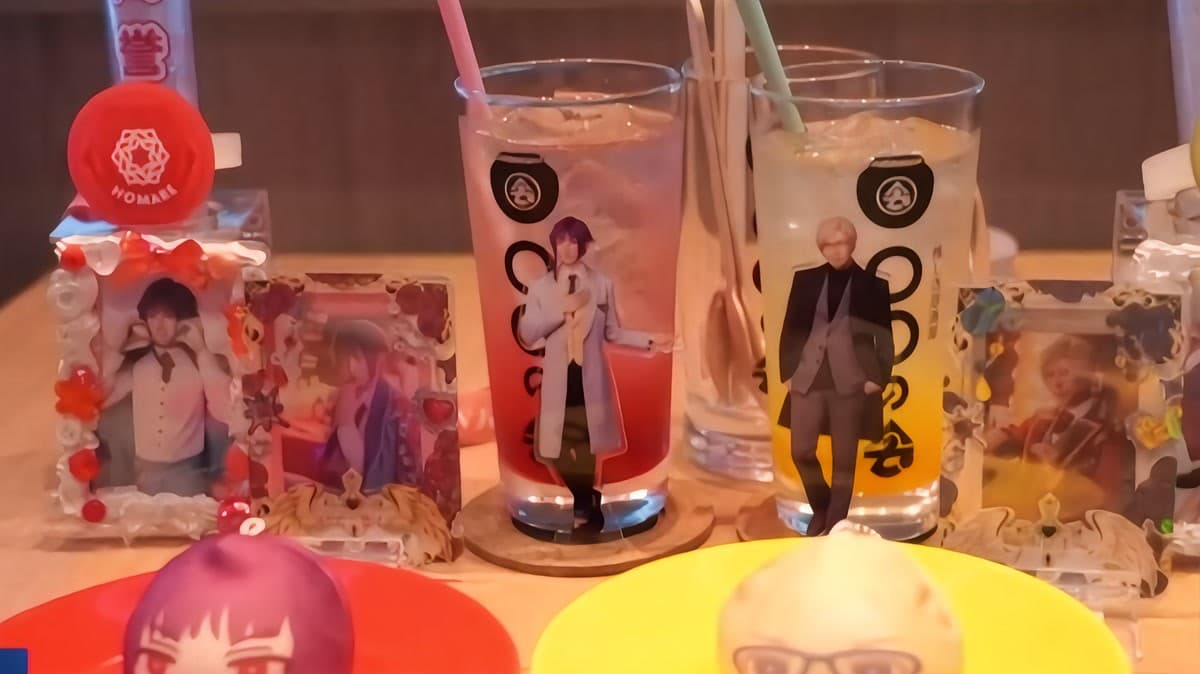
Japan's fandom economy — built on an intensely personal practice known as oshikatsu, or "cheer activities" for a beloved celebrity — has grown into a market worth 3.8 trillion yen, roughly $26 billion USD. But the story behind the numbers is even more surprising than the scale itself: the people spending the most are not teenagers. They are middle-aged adults in their 40s, 50s, and 60s, and they are outspending younger fans by a significant margin.
A study by Nomura Research Institute, reported by the Nikkei on April 5, 2026, found that approximately 26 million Japanese people between the ages of 15 and 69 — more than 30 percent of that age bracket — actively participate in oshikatsu. The practice spans a wide spectrum of spending, from concert tickets and official merchandise to travel, photography equipment, and even paid billboard advertisements featuring their favorite artists.
The Numbers Behind the Boom: Who Is Really Spending
The data on age-based spending tells a clear story. People in their 50s spend an average of 99,000 yen per year — approximately $670 — on fandom activities, making them the highest-spending age group. People in their 40s follow at around 80,000 yen annually, while those in their 60s average about 70,000 yen. These figures are notably higher than those for fans in their 20s and 30s, who typically have less disposable income despite their cultural reputation as the "core" of idol fandom.
At the high end of the market, spending can reach extraordinary levels. Some fans have spent up to 500,000 yen — around $3,400 — on a single billboard advertisement featuring their favorite celebrity. Crowdfunded outdoor ads in major Japanese cities have become a visible and growing part of fan culture, with fans pooling resources to display artist tribute banners in Shibuya, Osaka, and Sapporo.
The categories of spending are also broader than many assume. Beyond concert tickets and official goods, oshikatsu budgets increasingly cover travel to fan events in other cities and countries, professional cameras and editing equipment for fan documentation, cafe and restaurant "collabs" featuring themed merchandise, and subscription-based fan club memberships that offer premium content and virtual interactions.
Why Middle-Aged Fans Are the Market's Unlikely Engine
The dominance of middle-aged consumers in this market is not accidental. Economists and consumer researchers point to several structural shifts in Japanese society that have contributed to the trend.
Japan's falling birth rate and declining marriage rates mean that a growing segment of adults in their 40s and 50s have neither dependent children nor partners to share household expenses with — leaving significantly more discretionary income available for personal pursuits. Meanwhile, real wage growth in Japan, while modest, has still left older workers in a more favorable financial position than many younger ones who are navigating rising housing costs and entry-level salaries.
The psychological dimension is equally important. Oshikatsu provides what researchers describe as structured emotional investment — a sense of purpose, community, and regular anticipation that many adults find difficult to sustain in routine work and family life. For middle-aged fans who might feel disconnected from the more diffuse social structures of early adulthood, the fandom community offers a reliable framework for emotional engagement.
According to the Nikkei report, more than 50 percent of fans aged 40 to 70 said that inflation had no impact on their fandom spending. Among fans in their 60s specifically, 73 percent said they maintained or increased their spending despite economic pressures — a level of spending resilience that few other consumer categories can match.
K-Pop's Role in Japan's Fandom Economy
K-pop has played a significant role in expanding the oshikatsu market across multiple age groups in Japan. Historically, the core audience for Korean idol groups in Japan has been younger fans, particularly teenage girls and women in their 20s. But over the past decade, that demographic has broadened considerably.
Groups like BTS, BLACKPINK, TWICE, and fourth-generation acts such as SEVENTEEN and aespa have each cultivated Japanese fanbases that extend well into the 30s and 40s age range. Older K-pop fans in Japan often point to the consistency of touring schedules, high-quality official merchandise, and the emotional intimacy of fan club systems as factors that sustain long-term engagement — and long-term spending.
Japanese fans of K-pop artists are among the most active participants in the market for official goods sold at concerts and fan events. Limited-edition releases, regional venue exclusives, and artist birthday commemorative products create recurring purchasing opportunities that keep fans engaged throughout the year, not just during active album cycles.
The crossover between traditional Japanese idol culture — centered on acts like AKB48 and Johnny's Entertainment — and K-pop fandom has also produced a new category of multi-fandom fans who spread spending across both industries. This crossover behavior amplifies the total market size and introduces K-pop products to audiences who might not have discovered them through standard streaming or broadcast channels.
What the Fandom Economy Means for the Industry
For entertainment companies and consumer brands, the middle-aged fandom trend represents both a validation of existing strategies and an invitation to rethink product and event design. Fan merchandise lines that have traditionally skewed toward younger consumers — portable items, school-age accessories, and social media-friendly collectibles — are increasingly being supplemented by higher-value, display-oriented goods that appeal to adults with dedicated space in their homes and offices.
The market's inflation-resistance also makes it structurally attractive to companies planning long-term investments. While discretionary spending in many sectors fluctuates with economic conditions, the oshikatsu segment has consistently demonstrated that emotional attachment to a favorite artist or group creates a form of spending commitment that outlasts short-term financial pressures.
Whether the trend will spread beyond Japan to other Asian markets — including South Korea itself, which has its own growing middle-aged fandom culture — remains to be seen. But the data from the Nikkei report suggests that the global K-pop industry, which has long recognized Japan as one of its most reliable and highest-value markets, has even more room to grow in a demographic that is only getting larger as populations age across the region.
How do you feel about this article?
저작권자 © KEnterHub 무단전재 및 재배포, AI학습 및 활용 금지
Entertainment Journalist · KEnterHub
Entertainment journalist focused on Korean music, film, and the global K-Wave. Reports on industry trends, celebrity profiles, and the intersection of Korean pop culture and international audiences.
Comments
Please log in to comment