K-Pop's First Openly LGBTQ+ Boy Group Is Still Standing 4 Years On — Here's What Lionesses Has Been Up To
Lionesses debuted as K-pop history makers in 2021. Four years later, they are still making music — and their mission has not changed
 By Park Chulwon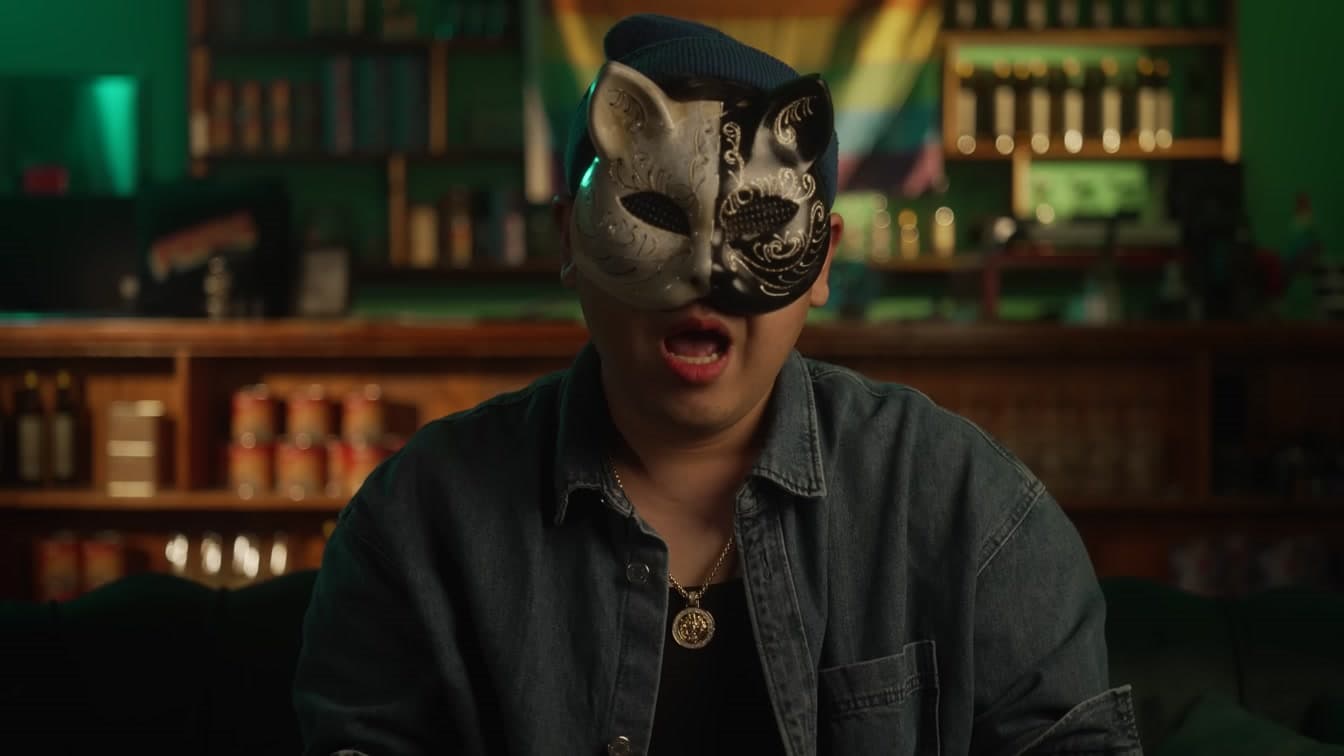
When Lionesses debuted in November 2021 as K-pop's first openly LGBTQ+ boy group, the Korean entertainment industry barely blinked. But international media noticed — immediately. Within days of their debut single "Show Me Your Pride," outlets from the South China Morning Post to Billboard were running profiles on the Seoul-based trio, and their YouTube views climbed to 90,000 virtually overnight following a major international writeup. The clip has since surpassed 128,000 views.
More than four years later, Lionesses is still here. And while they have not become a mainstream K-pop phenomenon, they have done something arguably more significant: built a genuinely global fanbase on their own terms, released music that directly addresses LGBTQ+ experiences in a country where those experiences are rarely visible in popular culture, and demonstrated that there is an audience — however niche — for authentic queer artistry in an industry historically built on carefully managed personas.
Who Are Lionesses?
The group currently operates as a three-member unit. Damjun, the founder and leader, identifies as bisexual and is the only member who performs without a mask. He formed Lionesses during the pandemic after submitting a proposal to the Beyond the Rainbow Foundation, which ultimately supported the group's creation. It was Damjun's vision that gave the group its name — a reference to lionesses as the hidden rulers of the plains, a symbol of quiet, misunderstood power that the public routinely underestimates.
Kanghan is a countertenor with a background in classical music and musical theater who identifies as questioning. He is perhaps the group's most visually theatrical performer — he introduced a drag queen persona named "Rooya" in the music video for one of the group's singles, an unusually bold creative choice in Korean pop music's typically rigid visual language. His operatic vocal range gives the group an upper register that sets it apart from any other act in the K-pop landscape.
Lee Marlang, who identifies as gay, has been an indie folk and ballad artist since 2009, bringing over a decade of independent music experience to the ensemble. His textured, smoky vocal quality provides a grounded counterbalance to Kanghan's classical flights, and his songwriting experience has influenced the group's lyrical directness.
A fourth founding member, Foxman, departed in October 2022 due to health reasons. The remaining three have continued as a trio, maintaining the group's core identity and mission.
Music That Speaks Directly to Its Audience
Lionesses describe their genre as "popera" — a hybrid of pop production and operatic vocal technique that gives their music a theatrical grandeur unlike anything else currently in the K-pop ecosystem. Their debut single "Show Me Your Pride" set the template: anthemic, emotionally direct, with lyrics that address the experience of LGBTQ+ youth in language that Korean mainstream pop has historically refused to speak.
In June 2024, the group released "Like Christina Taught Me," a single explicitly inspired by the artists who gave them the courage to be openly queer — prominently including Christina Aguilera, whose influence on global LGBTQ+ communities spans decades. The song incorporates musical nods to legendary artists who have served as touchstones for queer audiences worldwide. Their international fanbase responded with particular warmth, recognizing both the personal tribute and the cultural argument embedded in the music itself.
October 2025 brought "Papyun," a digital single that continued the group's artistic evolution. December 2025 saw Damjun release his debut full-length solo album, expanding the group's individual artistic footprints even as Lionesses continues as a collective project. The four-year anniversary of their November 2021 debut was marked with reflections from the members on how far they had come — and what they were still working toward.
An International Fanbase, an Uphill Domestic Reality
One of the most striking aspects of Lionesses is the geography of their support. The group's fandom — called "DEN," with over 6,000 members on YouTube — is overwhelmingly international. English-speaking K-pop fans, LGBTQ+ communities across East and Southeast Asia, and audiences in the Americas and Europe who discovered the group through waves of international media coverage have driven the majority of their streaming and social engagement.
This reflects a broader reality about LGBTQ+ visibility in Korean entertainment. Despite South Korea's globally dominant entertainment exports, the domestic industry remains deeply conservative on questions of gender and sexuality. Openly queer artists face limited mainstream opportunities, limited domestic media coverage, and limited acceptance in the Korean market as it currently operates. Lionesses have essentially built their career in the gap between what Korean entertainment permits and what their international audience is hungry for.
The group has spoken directly about this dynamic in interviews. Damjun has addressed the phenomenon of "queerbaiting" in K-pop — the practice of hinting at LGBTQ+ relationships or identities in ways designed to appeal to queer fans without actual representation — and positioned Lionesses as a deliberate alternative: artists who are genuinely who they appear to be, whose identity is not performance but premise.
Coverage from Billboard, The Advocate, South China Morning Post, and The Korea Herald has helped the group maintain international visibility that their domestic profile cannot match. In a different media landscape, that coverage gap might feel frustrating. For Lionesses, it has become part of the story they tell about what it means to create queer art in Korea in 2026.
Still Standing — and Still Making History
Four years is a long time in K-pop, a genre where group lifespans are often measured in months rather than years and where survival without major label infrastructure, mainstream radio play, and domestic chart presence is genuinely difficult. The fact that Lionesses has continued to release music, perform, and build their community across 2025 and into 2026 is itself a form of success worth examining clearly.
Their founding mission — to be "a lighthouse so that young LGBTQ people who dream of becoming musicians don't miss their shot due to their fear" — has not changed. And there is evidence, in the form of fan letters and community responses documented across their social channels, that the lighthouse is working. The group's profile appears in educational resources for LGBTQ+ youth in multiple countries. Their story is referenced in industry discussions about the K-pop ecosystem's relationship with queer identity far beyond their own listener base.
They may never headline a stadium or top the Melon chart. But in a media landscape where visibility itself functions as a form of advocacy, Lionesses is doing something that no major K-pop act currently is: showing up, openly, with their whole identities intact, and making music that says so — four years on and still counting.
Lionesses celebrated their four-year anniversary in November 2025. Their full catalog, including debut single "Show Me Your Pride" and the 2024 single "Like Christina Taught Me," is available across all major streaming platforms.
How do you feel about this article?
저작권자 © KEnterHub 무단전재 및 재배포, AI학습 및 활용 금지
Entertainment Journalist · KEnterHub
Entertainment journalist focused on Korean music, film, and the global K-Wave. Reports on industry trends, celebrity profiles, and the intersection of Korean pop culture and international audiences.
Comments
Please log in to comment