Beyond the Screen — How Studio Dragon Is Turning K-Drama Hits Into Live Theater Across Asia
From Vincenzo musicals to Flower of Evil stage plays, Korea's biggest drama studio is building a new IP empire that audiences can walk into
 By Park Chulwon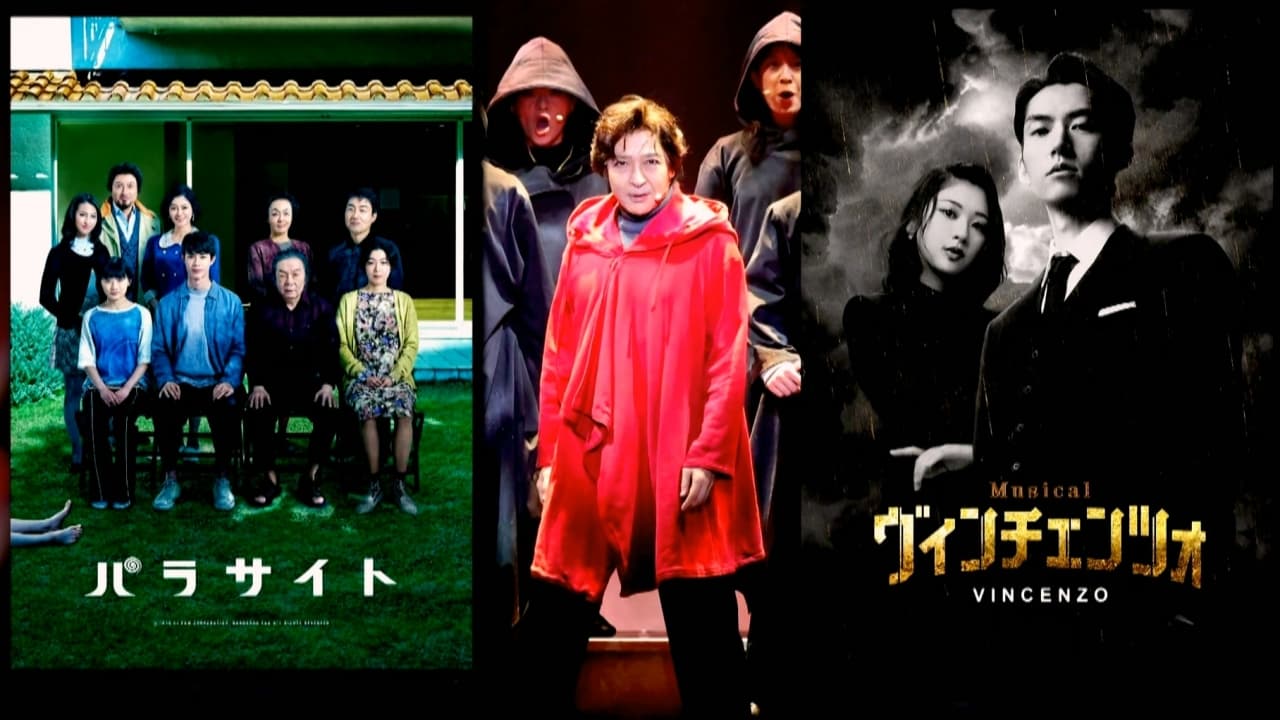
Studio Dragon, the production powerhouse behind some of South Korea's most globally recognized dramas, is no longer content with screens alone. The company's latest moves — a Flower of Evil stage play heading to Japan in 2026 and renewed talks to bring the Vincenzo musical back for another run — reveal a strategic shift that goes beyond simple IP licensing. This is an entirely new business model for K-drama, one that treats beloved stories as living properties capable of generating revenue across multiple formats and borders simultaneously.
The implications reach far beyond Studio Dragon's balance sheet. If successful, this approach could fundamentally reshape how Korean content companies think about the lifecycle of a hit drama — and where the real money lies after the final episode airs.
From Vincenzo to Flower of Evil: The Stage Expansion
The groundwork was laid in 2023, when Vincenzo — the Song Joong-ki legal thriller that became a cultural phenomenon — premiered as a musical in Japan through a partnership with Avex Pictures. The production was not a modest adaptation. It was a full-scale musical with a Japanese cast, original staging, and a theatrical run that proved K-drama IP could draw paying audiences to venues, not just streaming platforms.
Now Studio Dragon is doubling down. Flower of Evil, the Lee Joon-gi psychological thriller that spent nine consecutive weeks in Netflix Japan's Top 10, has been greenlit for a Japanese stage play adaptation under Avex Film Labels. The production is scheduled for early spring 2026, marking the second major K-drama-to-stage conversion through the Studio Dragon-Avex alliance.
Meanwhile, discussions are reportedly underway for a re-run of the Vincenzo musical, suggesting the first production performed well enough commercially to justify a return engagement. This is significant: in the theater world, re-runs only happen when initial ticket sales and critical reception validate the investment.
Why Live Theater Is the Next Frontier
The logic behind this expansion becomes clear when you examine the economics. A hit K-drama generates revenue through broadcast licensing, streaming rights, and advertising during its initial run. Merchandise and OST sales provide additional streams, but they tend to peak quickly and decline. What happens to the IP after the show ends? Historically, very little — the property sits dormant until a potential sequel or remake materializes.
Live theater changes that equation entirely. A stage adaptation creates a recurring revenue stream from an existing property, requiring no new story development. The production costs are significant but predictable, and ticket pricing for premium theater in Japan and Korea can command substantial per-seat revenue. More importantly, stage productions generate sustained cultural engagement — audiences develop personal connections to stories they experience live, deepening the emotional attachment that makes K-drama fandom so commercially valuable.
Studio Dragon appears to be treating this not as an experiment but as a core business strategy. In Q3 2025, the company reportedly generated 136.5 billion won in revenue — a 51.1% year-over-year increase — driven by global hit dramas. The stage expansion represents a way to extract additional value from properties that have already proven their audience appeal, without the creative risk of developing entirely new content from scratch.
The Japan Connection: Strategic and Cultural
Japan is the ideal testing ground for several reasons. The country has a deeply established musical theater tradition, with productions regularly drawing large, dedicated audiences willing to pay premium prices. Japanese audiences have also shown remarkable affinity for K-drama narratives — Crash Landing on You, another Studio Dragon property, became a genuine cultural phenomenon in Japan, spawning tourism, merchandise, and persistent demand for related content years after its original broadcast.
The partnership with Avex Pictures provides critical infrastructure. Avex is not a niche operator; it is one of Japan's largest entertainment conglomerates, with deep experience in talent management, live events, and cross-media production. This means Studio Dragon's stage adaptations benefit from local production expertise, established venue relationships, and marketing channels that would take years to build independently.
Beyond Japan, the model has clear potential to scale across Asia. Vietnam, Thailand, Indonesia, and the Philippines all have growing K-drama fanbases and developing live entertainment sectors. A stage adaptation of a beloved K-drama in Bangkok or Jakarta could tap into audiences who already feel emotionally invested in the stories and characters — converting digital viewers into theater ticket buyers.
K-Content as Ecosystem, Not Product
Studio Dragon's stage expansion is part of a larger trend in Korean entertainment: the evolution from content creation to ecosystem building. CJ ENM, Studio Dragon's parent company, has forged a multi-year partnership with Warner Bros. Discovery to co-produce Korean dramas and integrate the TVING streaming service into HBO Max across 17 Asia Pacific markets. Meanwhile, Studio Dragon has signed an agreement with Japan's TBS to jointly produce at least three dramas and two films by 2027.
When you connect these dots — streaming partnerships, co-production deals, and now live theater adaptations — a comprehensive strategy emerges. Studio Dragon is building an IP infrastructure that can monetize a single story across broadcast, streaming, film, and live entertainment channels simultaneously. Each format feeds the others: a successful stage play drives renewed interest in the original drama on streaming platforms, which in turn builds anticipation for future theatrical productions.
This multi-format approach mirrors what Disney and major Western entertainment companies have been doing for decades with theme parks, musicals, and merchandise ecosystems. The difference is that Studio Dragon is applying it specifically to K-drama IP — a category that, until recently, was treated as a one-and-done broadcast product with a limited commercial afterlife.
What Comes Next
The success of the Flower of Evil stage play in 2026 will be a critical proof point. If it matches or exceeds the Vincenzo musical's reception, expect Studio Dragon to accelerate the pipeline — potentially adapting properties like Crash Landing on You, Hotel Del Luna, or My Love from the Star for live theater markets. Each of these titles carries the kind of deep emotional resonance and visual spectacle that translates naturally to the stage.
For the broader Korean entertainment industry, the implications are substantial. If one company can successfully transform streaming hits into live theater franchises, others will follow. The result could be a new K-content ecosystem where a drama's value is measured not just by its viewership ratings or streaming numbers, but by how many formats and markets it can profitably occupy.
Studio Dragon is betting that audiences who fell in love with K-dramas on their screens will pay to experience those stories in person. Given how passionately K-drama fans engage with the content they love, that may be one of the safest bets in entertainment right now.
How do you feel about this article?
저작권자 © KEnterHub 무단전재 및 재배포, AI학습 및 활용 금지
Entertainment Journalist · KEnterHub
Entertainment journalist focused on Korean music, film, and the global K-Wave. Reports on industry trends, celebrity profiles, and the intersection of Korean pop culture and international audiences.
Comments
Please log in to comment